
Equipment & Sizing
Buying a Youth Softball Bat
Length
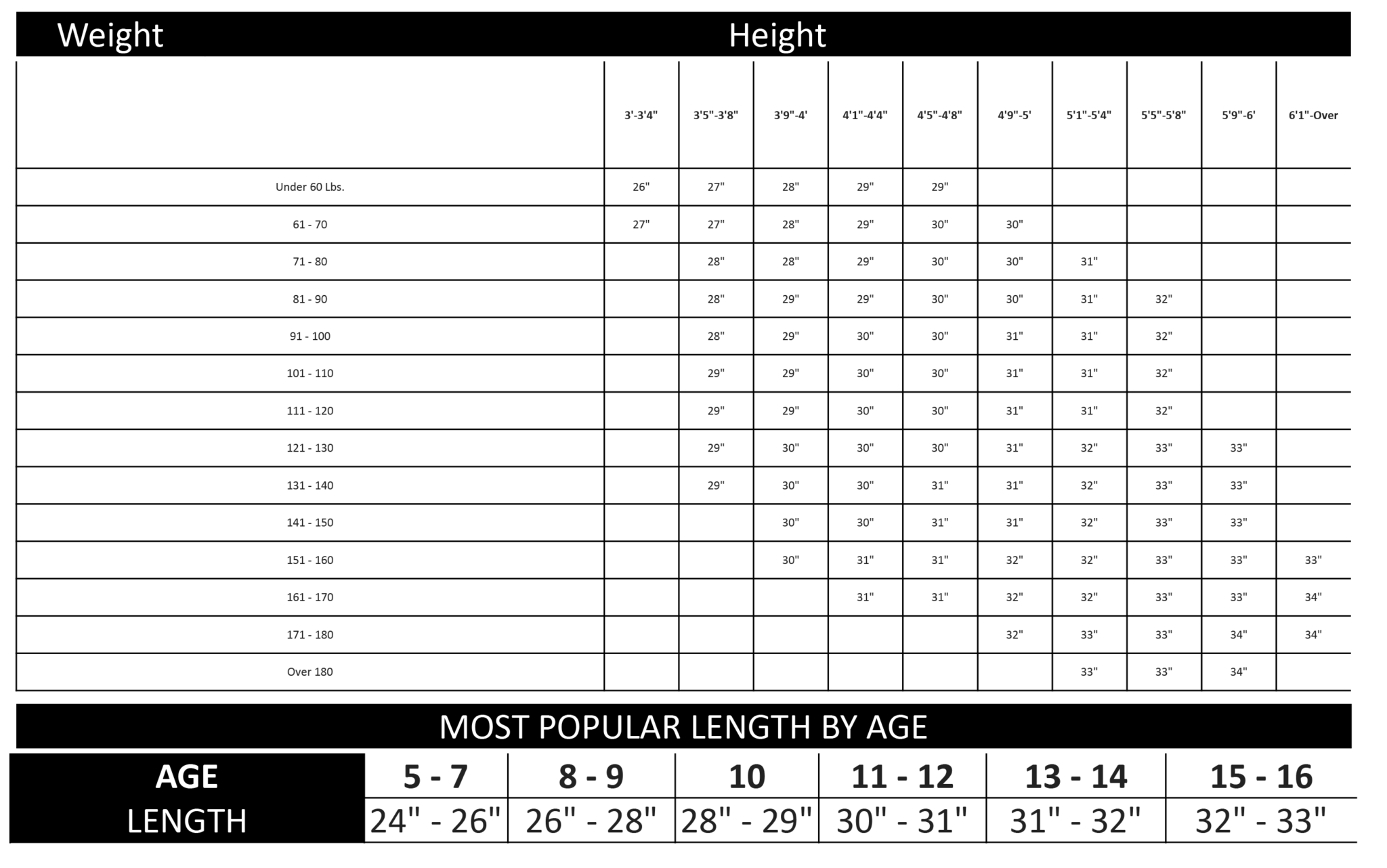
Finding the right length softball bat is just as important as finding the right size glove and cleats. There are three ways to measure whether a bat is the right length:
- Place the bat knob at the center of your chest and extend the barrel out toward your fingertips. If you can touch the end of the bat with your fingertips, it should be an appropriate size.
- Place the bottom knob of the bat in the center of your chest facing outward. If you can reach out and grab the barrel, it should be an appropriate length.
- Stand the bat up vertically against your leg. If the bat reaches your mid-hip, it should be a suitable length.
Weight
Bat weight can vary among models and comes down to player preference. Stronger players can generally swing a heavier bat; players who want a quicker swing may prefer a lighter one. A common problem with younger players is swinging too heavy a bat, which causes hands to drop during the swing.
A good test: hold the bat in one hand with your arm extended to your side for 30 seconds. If you can keep it extended without dropping it, you should be able to properly swing that weight.
Drop
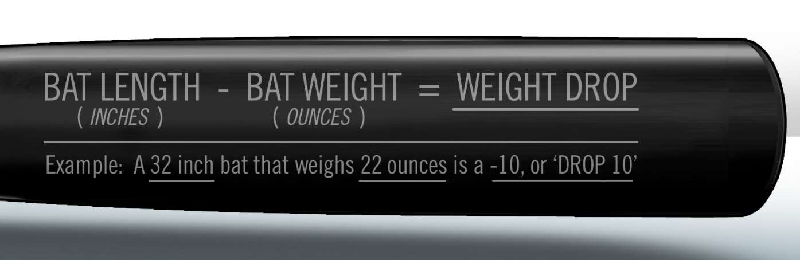
The drop is the difference between a bat's length (in inches) and weight (in ounces). For example, a 32-inch, 22-ounce bat is a -10 bat. A smaller drop means a heavier bat. Fast pitch bats typically range from -8 to -13. Younger players often start with a higher drop (lighter bat) and progress to a lower drop as their skill increases.
Before purchasing, confirm whether your division has specific bat weight drop requirements.
Sources: Louisville Slugger · Dick's Sporting Goods Pro Tips
Buying a Softball Glove
How Should a Softball Glove Fit?
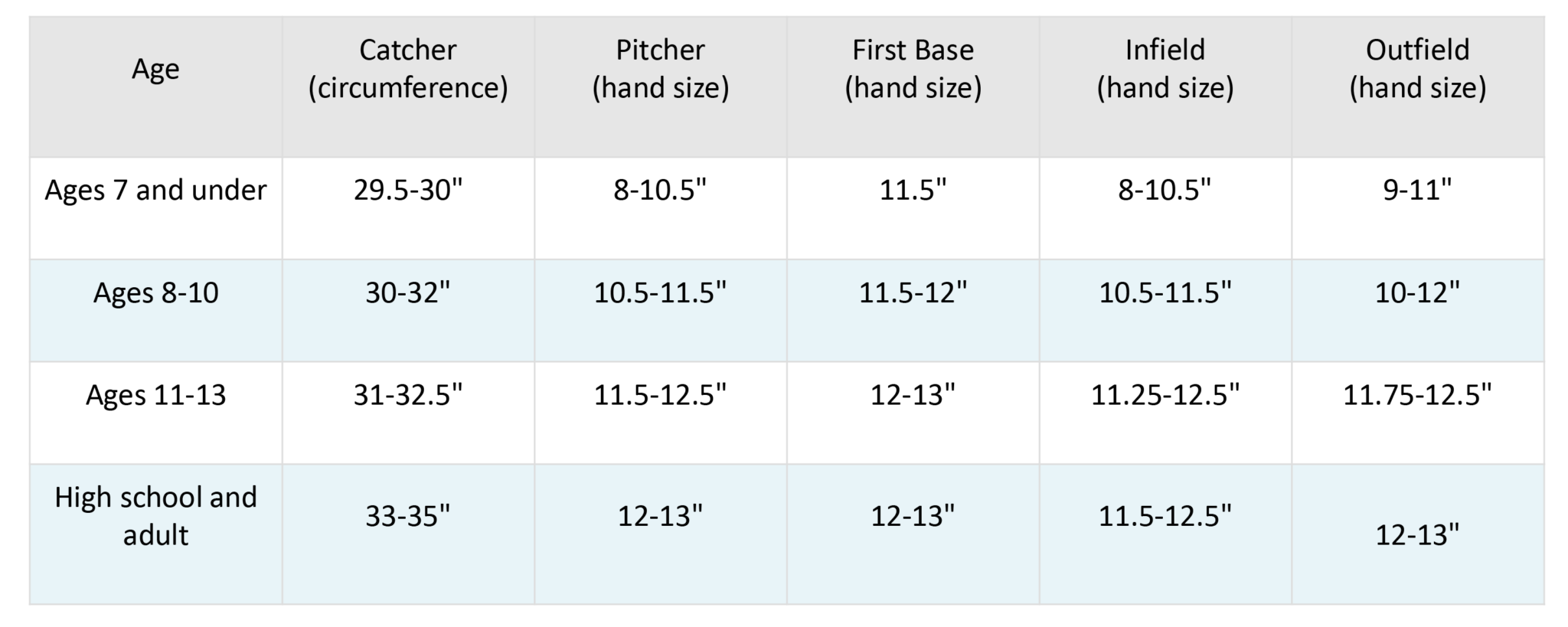
For proper sizing, measure from the tip of your index finger to the start of your wrist in inches. Your glove should have a snug fit — choose a size that currently fits your hand, not one you expect to grow into.
- Catcher's mitts have the largest circumference
- First baseman's mitts are the longest
- Infielders prefer a shorter glove for quick ball transfer
Glove Anatomy
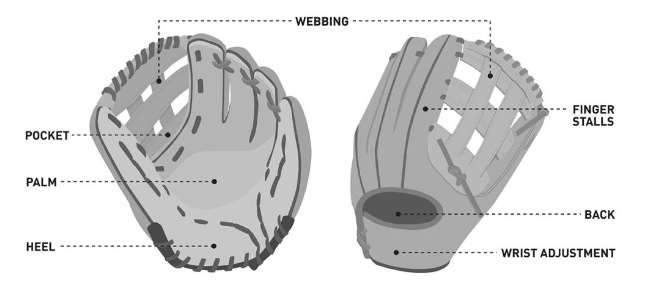
- Webbing: Open webs are preferred by fielders; pitchers prefer closed webs to hide their grip
- Pocket: Infielders prefer a shallow pocket; outfielders opt for a deep pocket
- Back: Open backs allow more flexibility; closed backs provide added stability
- Palm: Padded for impact protection
- Wrist adjustment: Allows for a custom fit via lace, D-ring, buckle, or hook-and-loop fasteners
Source: Dick's Sporting Goods Pro Tips